Why Lightweight Camping Shelters Have Become Essential for Outdoor Travel
The Evolution of Modern Outdoor Exploration
Outdoor exploration has changed dramatically during recent decades because travelers now seek more efficient and comfortable ways to experience nature. Hiking, camping, backpacking, and wilderness travel continue attracting individuals who want to escape crowded cities and enjoy peaceful natural environments. As outdoor recreation becomes increasingly popular, equipment manufacturers have focused heavily on developing products that improve mobility, safety, and convenience without sacrificing durability or environmental protection.
Modern travelers often prefer long distance hiking routes and multi day expeditions that require carrying equipment across difficult terrain. Heavy supplies quickly reduce energy levels and limit travel flexibility during physically demanding journeys. Lightweight camping shelters therefore play a major role in supporting modern outdoor lifestyles because they allow adventurers to travel farther and more comfortably while maintaining dependable protection against changing environmental conditions.
Why Weight Matters During Long Distance Hiking
Backpack weight strongly influences physical endurance, travel efficiency, and overall comfort during outdoor adventures. Carrying excessive weight across mountains, forests, and rough wilderness trails can quickly cause exhaustion, joint strain, and reduced mobility. Hikers who carry lighter equipment generally move faster, conserve more energy, and recover more effectively throughout long expeditions.
Lightweight shelter systems help travelers reduce unnecessary physical stress while still providing reliable weather protection and sleeping comfort during overnight trips. Efficient weight distribution also improves balance and stability on steep or uneven terrain. Many experienced hikers carefully evaluate every piece of equipment before departure because even small weight reductions significantly improve long term travel performance. Lightweight outdoor gear therefore remains one of the most important priorities for serious backpackers and wilderness explorers.
The Rise of Lightweight Shelter Technology
Traditional camping shelters were often bulky, heavy, and difficult to transport during extended outdoor journeys. Older designs focused mainly on basic environmental protection without considering portability or long distance travel efficiency. Travelers frequently struggled with steel frames, thick fabrics, and oversized storage systems that consumed valuable backpack space and increased carrying strain throughout difficult expeditions.
Modern engineering has transformed outdoor shelter design through the use of advanced synthetic materials, compact structural systems, and efficient construction methods. Lightweight products now provide impressive durability while remaining small enough for convenient transportation during remote wilderness travel. Improved design innovation allows campers to enjoy stronger weather resistance, better ventilation, and faster setup procedures without carrying unnecessary weight during physically demanding outdoor adventures.
Materials That Improve Lightweight Performance
Material innovation plays a major role in reducing shelter weight while maintaining durability and environmental protection. Manufacturers now use advanced synthetic fabrics that resist moisture, tearing, ultraviolet exposure, and abrasion without becoming excessively heavy. Lightweight aluminum poles and reinforced composite materials further improve structural stability while minimizing transportation strain during long distance hiking trips.
Modern waterproof coatings also improve environmental resistance without adding excessive bulk to shelter systems. These improvements allow travelers to carry dependable equipment through forests, mountains, deserts, and coastal regions while maintaining greater mobility and comfort. Material technology continues evolving rapidly because outdoor enthusiasts increasingly demand products capable of balancing portability with long term reliability in challenging environmental conditions.
Weather Resistance and Outdoor Protection
Environmental conditions can change rapidly during wilderness travel, especially in mountainous or coastal regions where storms and strong winds often develop unexpectedly. Reliable shelter protection therefore remains extremely important even within lightweight outdoor equipment categories. Modern lightweight shelters now provide impressive weather resistance through reinforced seams, waterproof fabrics, aerodynamic structures, and efficient ventilation systems.
Travelers frequently research dependable Backpacking tent options because lightweight construction alone is not enough without proper environmental protection during difficult weather conditions. Durable shelters help travelers remain dry, warm, and comfortable while reducing the risk of equipment failure during storms or extended rainfall. Strong weather protection combined with lightweight portability has therefore become one of the defining features of modern backpacking equipment.
Why Ventilation Matters in Outdoor Shelters
Ventilation strongly influences comfort during camping trips because poor airflow often causes excessive condensation, humidity buildup, and uncomfortable sleeping conditions inside enclosed shelters. Modern lightweight designs now include mesh panels, adjustable airflow systems, and dual layer construction methods that improve air circulation while maintaining environmental protection during changing weather conditions.
Effective ventilation helps travelers sleep more comfortably by reducing moisture accumulation and improving temperature regulation throughout the night. Campers exploring humid forests or warm climates especially benefit from advanced airflow systems because excessive interior heat can quickly reduce overall comfort. Manufacturers carefully balance insulation and ventilation performance to create more adaptable shelters suitable for different climates and seasonal conditions during outdoor adventures.
Faster Setup and Efficient Campsite Management
Complicated shelter assembly can become frustrating after long hiking sessions or during poor environmental conditions. Lightweight camping systems therefore increasingly prioritize efficient setup procedures that allow travelers to establish campsites quickly and safely. Modern shelters often include color coded poles, clip based attachments, and freestanding structural designs that simplify assembly while reducing preparation time.
Fast setup systems improve both convenience and safety because travelers can establish protection more rapidly during unexpected rainstorms or nighttime arrivals. Efficient campsite management also helps hikers conserve valuable energy throughout physically demanding expeditions. User friendly design innovation continues attracting more people toward outdoor recreation because modern equipment reduces many of the technical difficulties previously associated with wilderness camping.
Compact Storage and Travel Convenience
Efficient storage systems are essential during backpacking trips because travelers must organize food supplies, clothing, emergency equipment, and personal belongings within limited carrying space. Lightweight shelters now feature compact packing designs that allow campers to maximize backpack organization while minimizing unnecessary bulk during transportation.
Small packed dimensions improve mobility because travelers can distribute equipment more efficiently throughout backpacks and travel systems. Compact shelters also leave additional space for cooking supplies, water filtration systems, and emergency gear during long wilderness journeys. Practical storage efficiency therefore plays an important role in improving travel convenience for hikers exploring remote or physically demanding outdoor environments.
Solo Adventures and Lightweight Equipment
Solo camping has become increasingly popular among individuals seeking independence, personal reflection, and flexible travel schedules during wilderness exploration. Lightweight equipment is especially valuable for solo travelers because independent adventurers must carry and manage all supplies without assistance from companions. Efficient gear design therefore strongly influences comfort and mobility during isolated outdoor trips.
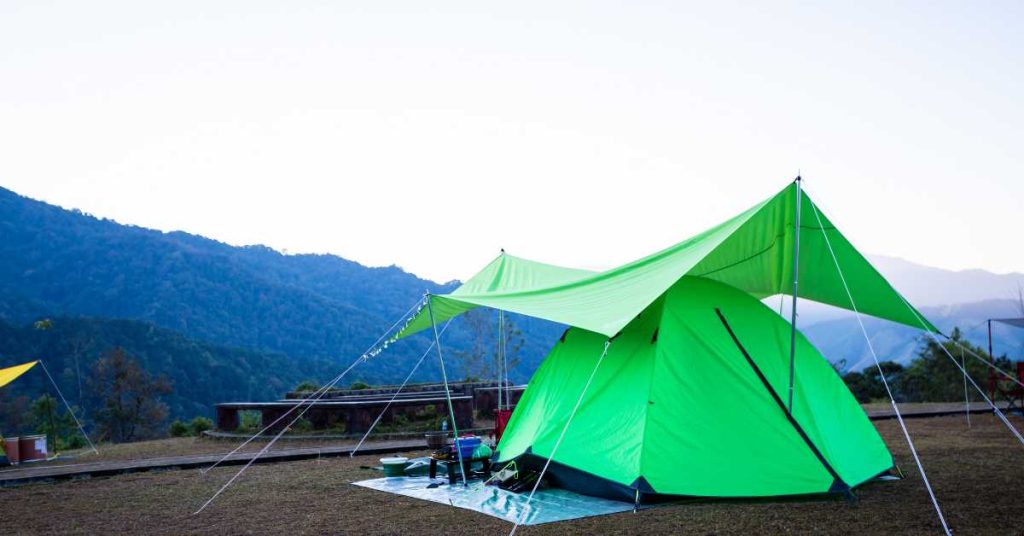
Compact shelter systems simplify campsite organization and reduce physical strain throughout long journeys. Solo travelers often prioritize equipment reliability because they cannot easily depend on others during emergencies or difficult environmental situations. Lightweight shelter technology supports safer and more enjoyable independent exploration by allowing travelers to move efficiently while maintaining essential protection during overnight outdoor stays.
Family Camping and Portable Shelter Systems
Families increasingly participate in outdoor recreation because camping provides opportunities for education, relaxation, and meaningful shared experiences away from digital distractions. Lightweight shelter systems help simplify transportation and campsite management during family trips, especially when parents must organize equipment for multiple travelers. Portable gear also improves flexibility during destination changes or recreational activities throughout camping vacations.
Modern family oriented shelters now combine spacious interiors with relatively lightweight construction methods that improve usability without creating excessive transportation challenges. Efficient design helps parents manage supplies more effectively while maintaining comfortable sleeping arrangements for children and adults. Lightweight innovation therefore benefits not only solo hikers but also families seeking practical and enjoyable outdoor travel experiences.
Mountain Travel and Harsh Terrain Conditions
Mountain environments provide breathtaking scenery and rewarding adventure opportunities, but they also present physically demanding terrain and rapidly changing weather conditions. Lightweight shelter systems become especially important during mountain expeditions because carrying heavy equipment across steep trails significantly increases fatigue and physical strain during long ascents.
Durable construction remains essential because alpine environments frequently expose equipment to strong winds, freezing temperatures, and rocky terrain. Modern lightweight shelters balance portability with structural strength to support safer travel in difficult wilderness regions. Proper preparation combined with efficient gear selection allows hikers to experience spectacular mountain landscapes while reducing unnecessary physical exhaustion throughout demanding outdoor expeditions.
Coastal Camping and Moisture Management
Coastal camping destinations attract many travelers because beaches, lakes, and waterfront environments provide relaxing scenery and recreational opportunities. However, humid air, strong winds, and saltwater exposure create unique challenges for outdoor equipment near coastal regions. Lightweight shelters therefore require effective moisture management and durable environmental protection systems capable of handling these demanding conditions.
Advanced waterproof fabrics and ventilation systems help reduce condensation buildup caused by humid coastal environments. Reinforced anchoring systems also improve stability during windy weather commonly experienced near oceans and large lakes. Properly designed lightweight shelters allow travelers to enjoy waterfront camping experiences without sacrificing comfort or environmental protection during overnight stays.
Sustainable Outdoor Equipment Development
Environmental sustainability has become increasingly important within the outdoor recreation industry because many travelers recognize the need to protect natural ecosystems from excessive environmental damage. Manufacturers now develop lightweight shelters using recycled materials, reduced chemical treatments, and environmentally responsible production methods that minimize ecological impact while maintaining reliable performance.
Lightweight equipment also indirectly supports sustainability because reduced transportation weight often lowers energy consumption during product distribution and outdoor travel. Campers further contribute to environmental protection by practicing responsible waste management and respectful campsite behavior during wilderness adventures. Sustainable innovation therefore continues shaping the future of lightweight outdoor equipment development throughout the global camping industry.
Seasonal Adaptability and Climate Performance
Different seasons require different shelter characteristics because environmental conditions strongly influence outdoor safety and comfort during camping trips. Summer travel often demands strong ventilation and heat management systems, while colder environments require improved insulation and stronger weather protection. Modern lightweight shelters increasingly offer adaptable designs suitable for various seasonal conditions and climate challenges.
Three season shelters remain especially popular because they balance portability, weather resistance, and comfort for spring, summer, and autumn travel conditions. Some advanced models also include modular components that improve adaptability during changing environmental situations. Seasonal flexibility allows travelers to use lightweight shelters across different destinations without constantly purchasing entirely separate equipment for every climate condition.
Interior Comfort and Sleeping Quality
Comfort significantly influences overall outdoor enjoyment because poor sleeping conditions quickly reduce energy levels and physical recovery during extended camping trips. Modern lightweight shelters therefore focus heavily on improving interior comfort through ergonomic layouts, organized storage compartments, and better airflow systems that create more relaxing overnight environments.
Adequate interior space helps campers change clothing, organize supplies, and sleep more comfortably after physically demanding hiking sessions. Improved comfort also supports emotional relaxation because travelers feel less restricted inside temporary living spaces during long journeys. Lightweight shelter innovation increasingly balances portability with practical comfort features that improve overall travel experiences without adding unnecessary weight.
Portable Energy and Outdoor Technology
Modern campers increasingly use electronic devices such as navigation systems, lighting equipment, communication tools, and portable charging stations during wilderness adventures. Lightweight outdoor technology now helps travelers remain connected and organized without significantly increasing total backpack weight. Compact energy solutions such as portable solar chargers and rechargeable battery systems have become especially valuable for long distance hiking trips.
Efficient technology integration improves safety because travelers can maintain communication capabilities and navigation access during remote expeditions. Lightweight energy systems also support convenience by powering essential devices without relying heavily on disposable batteries. As outdoor technology continues evolving, lightweight electronic solutions will likely become even more important within modern backpacking culture.
Safety Preparation and Emergency Awareness
Outdoor travel always involves some degree of environmental unpredictability, which makes preparation and safety awareness essential during camping adventures. Lightweight shelters contribute to safety by providing dependable weather protection without creating excessive physical strain during transportation. However, responsible travelers must also prepare emergency equipment and understand environmental risks before beginning wilderness expeditions.
Travelers should regularly inspect shelter components, waterproof systems, and structural supports before departure to ensure reliable performance during difficult conditions. Proper campsite selection also improves safety because exposed ridges, unstable terrain, and flood prone areas create unnecessary risks during storms or changing weather conditions. Effective preparation therefore remains fundamental to successful outdoor exploration.
Why Lightweight Gear Supports Longer Adventures
Efficient equipment allows travelers to explore farther and remain outdoors longer because reduced physical strain improves endurance during multi day expeditions. Lightweight shelters help conserve energy that hikers can instead use for navigation, exploration, photography, climbing, or recreational activities throughout their journeys. Efficient packing systems also simplify campsite management and reduce logistical frustration during extended travel experiences.
Longer adventures often require careful resource management because remote wilderness areas may lack convenient resupply opportunities. Lightweight gear therefore becomes especially valuable for travelers completing long hiking routes or exploring isolated destinations where physical efficiency strongly influences overall success. Modern lightweight innovation has significantly expanded the possibilities available within contemporary outdoor recreation culture.
Campsite Organization and Practical Living
Efficient campsite organization improves comfort and usability during wilderness travel because cluttered living spaces quickly become frustrating and stressful during extended outdoor stays. Lightweight shelters now frequently include storage pockets, gear compartments, and modular organization systems that help travelers maintain cleaner and more functional campsites throughout their adventures.
Organized environments also improve safety because emergency supplies and essential equipment remain easily accessible during nighttime situations or changing environmental conditions. Practical organization systems therefore contribute significantly to overall outdoor efficiency and personal comfort during camping trips. Manufacturers continue improving campsite functionality because convenience strongly influences customer satisfaction within the modern outdoor equipment market.
Educational Value of Outdoor Exploration
Camping and hiking provide valuable educational experiences because wilderness travel encourages environmental awareness, problem solving, and personal responsibility through direct interaction with natural environments. Many outdoor enthusiasts learn survival techniques, navigation skills, and conservation principles during long distance adventures. Reliable lightweight equipment helps travelers focus more effectively on these experiences instead of struggling constantly with heavy or inefficient gear.
Educational resources such as the National Park Service help travelers understand environmental regulations, wildlife safety, and responsible outdoor behavior before beginning camping trips. Outdoor education therefore supports both environmental conservation and personal development while encouraging greater appreciation for wilderness ecosystems and sustainable travel practices.
Mental Benefits of Wilderness Travel
Outdoor exploration provides important emotional and psychological benefits because natural environments often reduce stress, improve mental clarity, and encourage personal reflection away from crowded urban lifestyles. Lightweight shelter systems support these positive experiences by reducing physical exhaustion and logistical difficulties during wilderness travel. Comfortable and efficient equipment allows campers to focus more completely on enjoying scenery, relaxation, and meaningful outdoor experiences.
Many individuals use hiking and camping as opportunities to disconnect temporarily from digital distractions and demanding work schedules. Peaceful natural settings often improve emotional balance and mental recovery during extended outdoor adventures. Reliable lightweight gear therefore contributes not only to physical convenience but also to overall emotional well being during wilderness exploration.
Future Trends in Lightweight Shelter Design
The future of lightweight shelter development will likely involve even stronger materials, smarter environmental management systems, and more sustainable manufacturing practices. Researchers continue experimenting with advanced synthetic fabrics, modular structural engineering, and improved weather resistant technologies capable of enhancing outdoor performance without increasing overall equipment weight.
Future designs may also integrate renewable energy systems, intelligent ventilation management, and customizable modular layouts that adapt to different environmental conditions and travel styles. Consumer demand for portability, sustainability, and efficiency will likely continue driving innovation throughout the outdoor recreation industry. Lightweight shelter systems therefore remain one of the most rapidly evolving categories within modern camping equipment development.
Why Lightweight Camping Continues Growing Worldwide
Lightweight camping culture continues expanding because modern travelers increasingly value freedom, mobility, and practical efficiency during outdoor adventures. Efficient shelter systems allow individuals to explore remote destinations more comfortably while maintaining greater physical endurance throughout demanding wilderness journeys. Modern innovation has made lightweight outdoor travel more accessible for beginners, experienced hikers, and recreational campers alike.
As technology and material science continue improving, lightweight camping equipment will likely become even more versatile and environmentally responsible for future generations of travelers. However, the fundamental appeal of lightweight outdoor exploration remains deeply connected to simplicity, independence, and meaningful connection with nature beyond crowded urban environments.