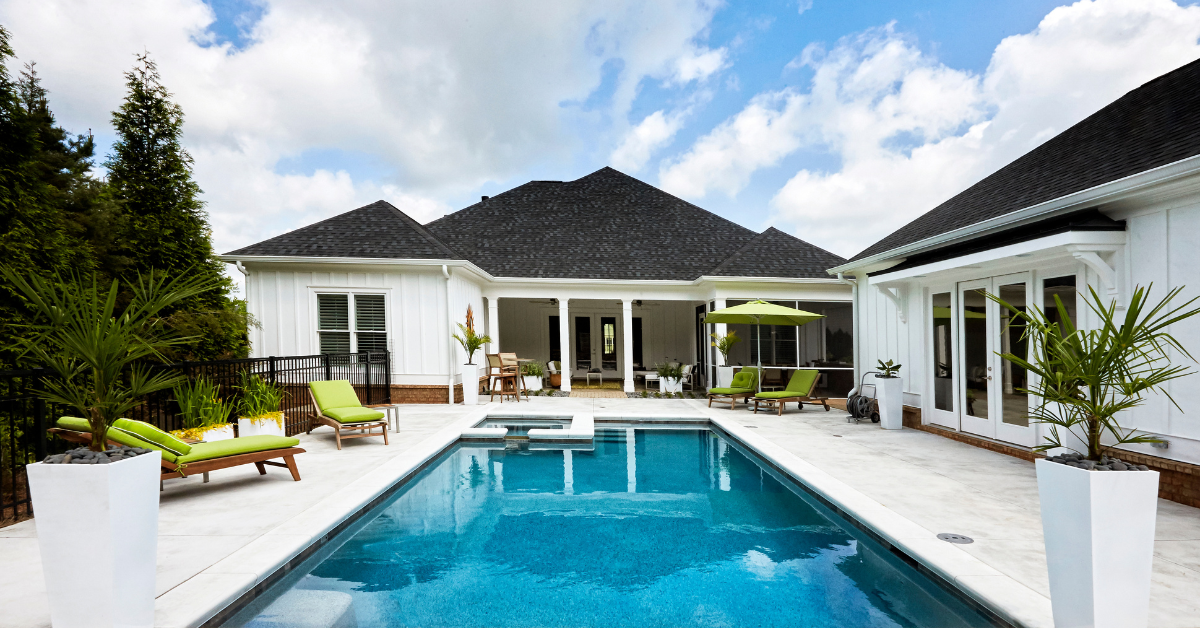
A swimming pool is more than just a water feature; it is an investment in lifestyle, wellness, and property value. Homeowners across New Zealand and beyond are increasingly looking for pool solutions that combine convenience, durability, and beauty. Among the various options available, the fiberglass pool has gained a reputation for being one of the most practical and popular choices.
This comprehensive guide will take you through everything you need to know about fiberglass pools, including their benefits, installation process, costs, maintenance requirements, and design possibilities. By the end, you’ll have a clear understanding of why a fiberglass pool could be the perfect addition to your backyard.
What Exactly Is a Fiberglass Pool?
A fiberglass pool is a pre-manufactured shell made from fiberglass-reinforced plastic. Unlike concrete pools, which are constructed entirely onsite, fiberglass pools are moulded in factories under controlled conditions. Once completed, the shell is delivered and installed in a prepared excavation.
The inner surface of the pool is coated with a smooth gelcoat finish, giving it a sleek, glossy look that is comfortable to the touch and resistant to algae and staining. Fiberglass shells are available in a wide range of shapes, sizes, and depths, from small plunge pools to expansive family designs.
Advantages of Choosing a Fiberglass Pool
1. Quick Installation
Fiberglass pools are typically ready for swimming within three to six weeks, a fraction of the time required for concrete construction. The shell is pre-made, which means less time dealing with delays, weather disruptions, or long construction processes.
2. Smooth and Comfortable Surface
The gelcoat finish makes the surface non-abrasive, unlike rough plaster or tiled concrete pools. Swimmers can enjoy a smooth, comfortable experience without cuts or scrapes.
3. Low Maintenance
The non-porous finish of fiberglass resists algae, requiring fewer chemicals and less scrubbing. For homeowners, this translates into both time and cost savings throughout the pool’s life.
4. Durability and Flexibility
Fiberglass shells are designed to flex slightly, which helps them withstand minor earth movement without cracking. This makes them particularly suited to areas with shifting soil or variable ground conditions.
5. Long-Term Value
Though the upfront investment can be higher than vinyl-liner pools, fiberglass pools pay off with their longevity and reduced maintenance costs. Most pools last 25–30 years or more with proper care.
6. Stylish Designs
From contemporary rectangular lap pools to curvy freeform designs, fiberglass pools offer diverse options. Many models include built-in seating, tanning ledges, and child-friendly safety features.
The Installation Process Step by Step
Installing a fiberglass pool is a well-structured process:
- Planning and Design – Choose your pool shape, size, and position. Permits and council approvals are obtained during this stage.
- Excavation – The ground is carefully dug to match the exact dimensions of the fiberglass shell.
- Base Preparation – A foundation of sand or gravel ensures even support for the pool.
- Pool Delivery and Placement – The shell is transported and lowered into the excavation using a crane.
- Plumbing and Connections – Filtration systems, pumps, heaters, and water features are installed.
- Backfilling – The area around the pool is filled to secure the shell in place.
- Surround Finishing – Paving, decking, or landscaping completes the look of the pool area.
- Filling and Commissioning – The pool is filled with water, chemicals are balanced, and systems are tested.

From start to finish, most installations are completed within a month, depending on weather and site conditions.
Costs Associated with Fiberglass Pools
Fiberglass pools are priced according to size, design, and installation complexity. On average in New Zealand:
- Small plunge pools: $25,000 – $35,000
- Medium pools: $40,000 – $55,000
- Large lap or family pools: $60,000 – $80,000+
Other factors that affect the final cost include fencing (which is legally required), heating systems, decking, landscaping, and additional features such as spas or waterfalls.
Maintenance Guide for Fiberglass Pools
Owning a pool should be enjoyable, not overwhelming. Fiberglass pools simplify maintenance in several ways:
- Weekly Water Checks – Test chlorine, pH, and alkalinity levels regularly.
- Run Filtration Systems Daily – Ensures water stays clear and clean.
- Use a Pool Cover – Reduces evaporation, keeps out debris, and improves safety.
- Clean Surfaces – Light brushing is usually enough since algae does not adhere easily.
- Inspect Equipment – Pumps, filters, and heaters should be checked seasonally.
Compared to concrete pools, fiberglass pools require less chemical balancing, less cleaning, and lower annual running costs.
Fiberglass vs Concrete vs Vinyl-Liner
| Feature | Fiberglass Pool | Concrete Pool | Vinyl-Liner Pool |
|---|---|---|---|
| Installation Time | 3–6 weeks | 3–6 months | 2–4 weeks |
| Surface Texture | Smooth | Rough/Tile | Soft liner |
| Maintenance | Low | High | Moderate |
| Lifespan | 25–30 years+ | 30–40 years | 10–15 years |
| Customisation | Limited shapes | Unlimited | Moderate |
| Upfront Cost | Medium | High | Low |
This comparison shows why fiberglass pools are often seen as the most balanced option for homeowners who want efficiency, durability, and aesthetic appeal.
Energy Efficiency and Heating Options
Fiberglass pools are naturally good at retaining heat due to their insulating properties. Homeowners can enhance energy efficiency further by installing:
- Solar Heating – Eco-friendly and cost-effective.
- Heat Pumps – Maintain steady water temperatures year-round.
- Gas Heaters – Ideal for rapid heating but less energy-efficient.
- Covers – A thermal or automatic cover keeps heat in and reduces water loss.
Design Features and Add-Ons
Fiberglass pools can be enhanced with various extras that make them both functional and luxurious:
- LED Lighting – Creates ambience for night swimming.
- Waterfalls and Fountains – Adds aesthetic appeal.
- Integrated Spas – Combine fitness with relaxation.
- Deck Jets and Bubblers – Fun and visually striking water features.
- Tanning Ledges – Shallow platforms perfect for lounging.
Safety Considerations
Safety is a key aspect of pool ownership. In New Zealand, homeowners must comply with pool safety laws, including fencing that is at least 1.2m high and equipped with self-closing gates. Fiberglass pools also often include safety ledges inside the pool and slip-resistant steps for added protection.
Lifestyle Benefits of Owning a Fiberglass Pool
Owning a pool provides benefits that extend far beyond swimming:
- Health and Exercise – Swimming offers a full-body workout with minimal joint strain.
- Family Connection – Encourages outdoor activities and shared experiences.
- Entertainment – Pools provide the perfect backdrop for gatherings.
- Relaxation – A quick dip can help reduce stress and improve mental health.
- Property Value – A well-designed pool enhances the appeal and market value of a home.
Common Questions about Fiberglass Pools
How long does a fiberglass pool last?
Most last over 25 years, with some extending beyond 30 years when well maintained.
Can a fiberglass pool be customised?
Shapes are limited to pre-made moulds, but owners can personalise with colour, lighting, landscaping, and add-on features.
Is it suitable for small spaces?
Yes, plunge pools and compact models fit perfectly in small or narrow yards.
Does the surface fade?
High-quality gelcoats are UV-resistant, though proper water balance and a cover prolong the finish.
Can they be heated?
Absolutely. Fiberglass pools pair well with solar, heat pump, or gas heating systems.
Modern Trends in Pool Design
Contemporary backyard design has embraced several exciting trends:
- Minimalist Styling – Sleek shapes with frameless glass fencing.
- Eco-Friendly Pools – Solar-powered systems and energy-efficient pumps.
- Integrated Outdoor Living – Pools combined with fire pits, pergolas, and kitchens.
- Smart Pool Technology – Automated chemical monitoring and robotic cleaners.
- Natural Landscaping – Pools surrounded by native plants and decking.
Final Thoughts
A fiberglass pool offers the ideal balance of convenience, style, and long-term value. It is quick to install, easy to maintain, and available in a wide variety of designs to suit different lifestyles and spaces. Whether you want a small plunge pool for relaxation or a large family pool for entertainment, fiberglass provides an option that is durable and cost-effective.
If you are considering installing a pool, explore the possibilities of a fiberglass pool and discover why it continues to be one of the most popular choices among modern homeowners.