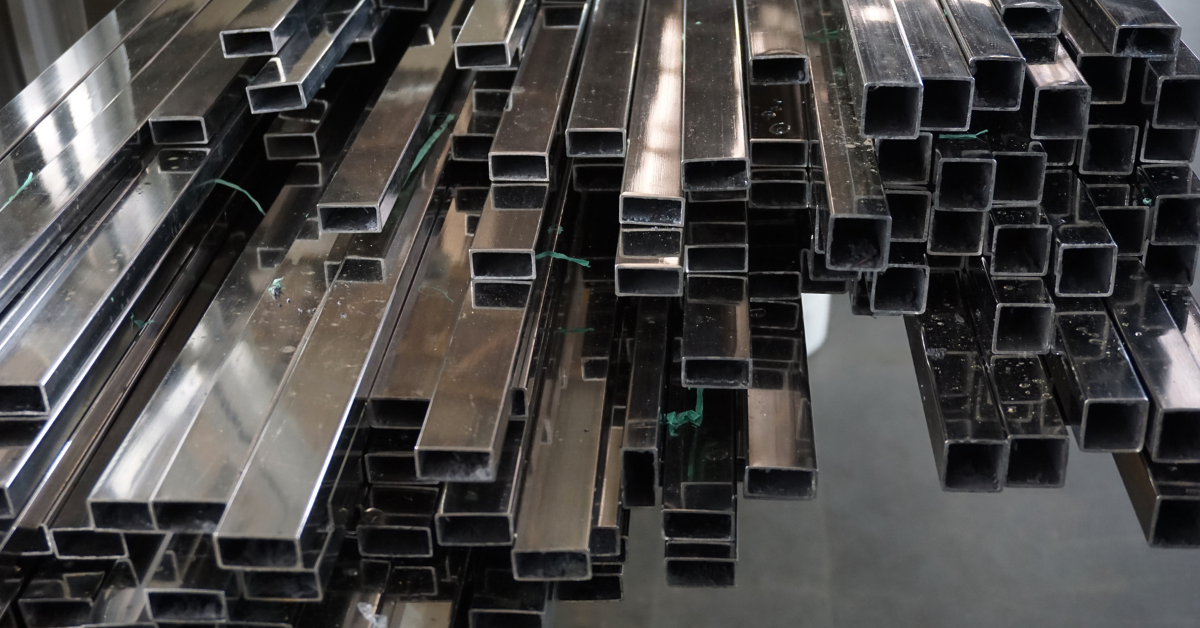
Aluminum tube is one of the most versatile and widely used materials in today’s engineering, construction, and manufacturing sectors. Known for its lightweight strength, corrosion resistance, and adaptability, aluminum tubing has become indispensable across industries ranging from automotive and aerospace to architecture and consumer products. Its unique properties allow engineers and fabricators to balance durability with efficiency, making it a preferred material where both performance and cost-effectiveness are critical.
This article provides an in-depth exploration of aluminum tubes, covering their properties, manufacturing processes, advantages, applications, and future trends. Whether for structural use, fluid transfer, or performance-based designs, aluminum tubing remains central to modern fabrication.
What Is an Aluminum Tube?
An aluminum tube is a hollow cylindrical or square profile made from aluminum alloy. It is designed to deliver high strength-to-weight ratio and corrosion resistance while being easy to shape and fabricate. Tubes are produced in multiple dimensions, thicknesses, and alloy grades to serve various structural and functional roles.
Types of aluminum tubes include:
- Round Tubes: Standard cylindrical tubes used in pipelines, frames, and automotive systems.
- Square Tubes: Structural applications such as frameworks, supports, and architectural designs.
- Rectangular Tubes: Preferred in construction, furniture, and load-bearing designs.
- Custom Shapes: Produced for unique performance requirements in aerospace, marine, and specialized industries.
Material Properties of Aluminum Tube
Aluminum tube offers a balance of mechanical and chemical properties that distinguish it from other metals.
Physical Properties
- Lightweight: Aluminum is one-third the weight of steel, reducing overall mass in engineering designs.
- Non-Magnetic: Ideal for sensitive electrical and electronic applications.
- Conductivity: Provides excellent thermal and electrical conductivity.
Mechanical Properties
- Strength-to-Weight Ratio: High strength while being much lighter than steel.
- Ductility: Can be drawn into thin walls without cracking.
- Impact Resistance: Absorbs energy without brittle failure.
Chemical Properties
- Corrosion Resistance: Naturally forms an oxide layer that protects against environmental degradation.
- Recyclability: 100% recyclable without losing its original properties.
- Non-Toxicity: Safe for use in food, medical, and consumer applications.

Common Aluminum Alloys for Tubes
Aluminum tubes are produced in different alloys, each suited for specific applications.
- 6061 Alloy: Excellent machinability and corrosion resistance, ideal for aerospace and marine uses.
- 6063 Alloy: High corrosion resistance and great finish quality, often used in architectural applications.
- 2024 Alloy: High strength and fatigue resistance, commonly used in aerospace.
- 7075 Alloy: Extremely strong, often used in defense and aircraft manufacturing.
- 3003 Alloy: High corrosion resistance with good formability, used in roofing and siding.
Manufacturing Processes of Aluminum Tube
The method of manufacturing influences the strength, finish, and performance of aluminum tubing.
- Extrusion Process:
- Aluminum billets are heated and forced through a die to create tube shapes.
- Produces seamless tubes with uniform strength.
- Drawing Process:
- Tubes are drawn through dies to reduce thickness and improve dimensional accuracy.
- Enhances mechanical properties through work hardening.
- Seamless Tubes:
- Created directly from solid billets using extrusion and piercing.
- Offer superior pressure resistance.
- Welded Tubes:
- Rolled aluminum sheets are welded along the seam.
- Cost-effective and suitable for structural uses where extreme pressure resistance is not needed.
Applications of Aluminum Tubes
Aluminum tubes are found in nearly every engineering sector.
Automotive Industry
- Exhaust systems and fuel lines benefit from lightweight aluminum.
- Used in crash structures due to impact absorption properties.
- Frame reinforcements and roll cages for performance vehicles.
Aerospace Industry
- Aircraft fuselages, landing gear, and fuel systems rely on aluminum’s strength and lightness.
- Hydraulic lines and pressure systems often use seamless aluminum tubing.
Construction and Architecture
- Window frames, curtain walls, and handrails rely on corrosion-resistant aluminum tube.
- Structural supports in bridges and roofing systems.
- Decorative architectural elements for lightweight strength.
Marine Industry
- Used in boat frames, masts, and hull reinforcements.
- Resistant to saltwater corrosion, especially in alloys such as 6061 and 6063.
Energy and Electrical Systems
- Aluminum tubes act as conduits for wires due to their conductivity.
- Solar panel frames and wind turbine components rely on aluminum for lightweight durability.
Industrial Machinery
- Pneumatic systems and hydraulic applications.
- Rollers, guides, and machine frames where lightness improves efficiency.
Consumer Products
- Furniture, bicycles, and sporting equipment.
- Medical devices such as hospital beds, crutches, and wheelchairs.
- Food and beverage industries, where aluminum tubing is safe for contact.
Advantages of Aluminum Tubes
- Lightweight Performance: Significantly reduces overall structure weight compared to steel.
- Corrosion Resistance: Long-lasting even in outdoor and marine environments.
- Cost-Effective: Provides an affordable balance between performance and price.
- Workability: Easy to cut, bend, weld, and machine.
- Thermal Management: Conducts heat effectively, making it suitable for heat exchangers and cooling systems.
- Sustainability: Fully recyclable, supporting eco-friendly production cycles.
- Versatility: Available in various shapes and sizes to suit multiple industries.
Aluminum Tube vs. Other Materials
| Property | Aluminum Tube | Steel Tube | Titanium Tube | Copper Tube |
|---|---|---|---|---|
| Weight | Very Light | Heavy | Light | Moderate |
| Corrosion Resistance | Excellent | Moderate | Excellent | Good |
| Strength | Moderate | High | Very High | Moderate |
| Cost | Moderate | Low | Very High | High |
| Workability | Excellent | Moderate | Difficult | Moderate |
| Recyclability | 100% | 100% | Limited | 100% |
This comparison shows why aluminum tube is often chosen when weight and corrosion resistance matter most.
Performance in Harsh Environments
Aluminum tubing maintains performance in:
- High Humidity: Resists oxidation and maintains structure.
- Saltwater Exposure: Especially with marine-grade alloys.
- Extreme Temperatures: Maintains properties across a wide thermal range.
Protective coatings and anodizing further extend durability in harsh climates.
Fabrication and Design Considerations
When designing with aluminum tubes:
- Welding: TIG and MIG welding are commonly used, with proper filler alloys.
- Bending: Mandrel bending ensures smooth curves without deformation.
- Joining: V bands and mechanical fasteners allow easy assembly and disassembly.
- Surface Treatment: Anodizing enhances corrosion resistance and aesthetics.
Case Study: Aluminum Tube in Automotive Exhaust
Modern vehicles increasingly adopt aluminum tube in specific parts of exhaust systems to reduce weight. By replacing stainless components with aluminum tubes in certain sections, manufacturers achieve:
- Reduced Vehicle Mass: Improves fuel efficiency.
- Lower Emissions: Reduced weight contributes to sustainability goals.
- Cost Savings: Aluminum provides durability without the expense of titanium.
Sustainability and Recycling
Aluminum is among the most sustainable materials used today. Recycling aluminum tubes requires only about 5% of the energy needed for primary production. Industries are increasingly turning to recycled aluminum to meet environmental regulations and reduce carbon footprints.
Future Trends in Aluminum Tubes
- Advanced Alloys: New blends designed to improve fatigue strength and reduce weight further.
- Hybrid Materials: Combination of aluminum with carbon fiber for enhanced performance.
- Additive Manufacturing: 3D printing with aluminum alloys for custom tube production.
- Electric Vehicles (EVs): Growing use of aluminum tubes in battery cooling systems and lightweight structures.
Maintenance of Aluminum Tubes
Although aluminum is highly resistant to corrosion, regular maintenance ensures long service life:
- Cleaning with non-abrasive cleaners prevents buildup.
- Inspecting joints and welds maintains structural integrity.
- Anodized surfaces should be checked periodically for scratches or damage.
Final Thoughts
Aluminum tube remains one of the most adaptable materials across industries. Its balance of strength, lightweight construction, corrosion resistance, and affordability makes it a superior choice for automotive, aerospace, construction, and countless other applications. By combining efficiency with sustainability, aluminum tubes not only enhance performance but also align with global goals of reducing energy use and environmental impact.
From everyday consumer products to cutting-edge aerospace structures, the aluminum tube continues to shape modern engineering, proving that lightweight materials can carry the heaviest responsibilities.