
A Complete Approach to Flexibility and Strength with Yoga and Home Workouts
Introduction to Yoga and Home Fitness
Developing a consistent fitness routine at home has become increasingly popular for individuals seeking convenience, flexibility, and cost-effectiveness. One of the most accessible ways to begin is through yoga, especially for those who are new to exercise or returning after a long break. Yoga not only improves physical strength but also enhances mental clarity and emotional balance. By incorporating simple stretching techniques and structured workout routines, beginners can gradually build a strong foundation for long-term health and wellness.
Many individuals start their journey with yoga stretching exercises for beginners because they are gentle, adaptable, and effective for improving flexibility. When combined with a balanced workout plan, yoga becomes a powerful tool for overall fitness. It supports muscle recovery, reduces stress, and prepares the body for more intense physical activities. This guide explores how beginners can integrate yoga stretching with a home exercise routine to achieve sustainable results.
Benefits of Yoga Stretching for Beginners
Yoga stretching exercises offer a wide range of benefits that go beyond physical fitness. For beginners, these exercises provide a safe and controlled way to improve flexibility and joint mobility without putting excessive strain on the body. Regular practice helps loosen tight muscles, improve posture, and reduce the risk of injury during other physical activities. Additionally, yoga promotes better blood circulation, which supports overall body function and recovery.
Another important advantage is its impact on mental health. Yoga incorporates breathing techniques and mindfulness, helping individuals reduce stress and anxiety. Beginners often find that even a short daily practice improves focus and emotional stability. Over time, yoga stretching builds a strong mind-body connection, allowing individuals to become more aware of their movements and physical limitations. This awareness is essential for preventing injuries and achieving long-term fitness goals.
Understanding Flexibility and Mobility
Flexibility and mobility are often used interchangeably, but they represent different aspects of physical fitness. Flexibility refers to the ability of muscles to stretch, while mobility involves the range of motion in joints. Yoga stretching exercises address both areas, making them ideal for beginners who want to improve overall movement efficiency. By practicing regularly, individuals can gradually increase their range of motion and perform daily activities with greater ease.
Improved flexibility also enhances athletic performance and reduces muscle stiffness. When muscles are flexible, they can contract and relax more efficiently, which improves strength and endurance. Mobility, on the other hand, ensures that joints move smoothly without pain or restriction. Yoga combines dynamic and static stretching techniques to target both flexibility and mobility, making it a comprehensive approach to physical fitness for beginners.
Essential Yoga Poses for Beginners
Starting with basic yoga poses is crucial for building confidence and avoiding injury. Beginner-friendly poses such as the mountain pose, downward dog, and child’s pose provide a solid foundation for more advanced movements. These poses focus on alignment, balance, and controlled breathing, which are essential elements of yoga practice. By mastering these fundamentals, beginners can progress safely and effectively.
Each pose serves a specific purpose in improving flexibility and strength. For example, forward bends stretch the hamstrings and lower back, while gentle twists enhance spinal mobility. Holding poses for a few breaths allows muscles to relax and lengthen gradually. Beginners should focus on proper form rather than intensity, ensuring that each movement is performed with control and awareness. Consistency is key to seeing improvements over time.
Creating a Daily Yoga Routine
Establishing a daily yoga routine does not require a significant time commitment. Even 15 to 20 minutes of practice can produce noticeable benefits when done consistently. Beginners should start with simple stretches and gradually incorporate more poses as they become comfortable. A balanced routine includes warm-up exercises, stretching sequences, and relaxation techniques to ensure a complete workout.
Morning sessions are ideal for energizing the body and improving focus for the day ahead. Evening sessions, on the other hand, help relax muscles and reduce stress accumulated throughout the day. Consistency is more important than duration, so beginners should aim to practice regularly rather than occasionally engaging in long sessions. Over time, this habit becomes an integral part of a healthy lifestyle.
Integrating Strength Training with Yoga
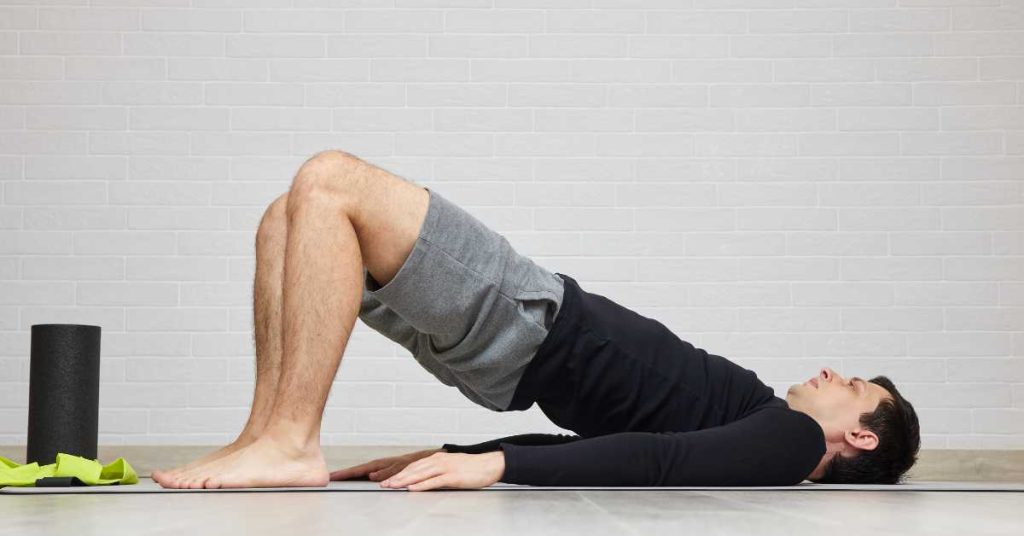
While yoga is excellent for flexibility and relaxation, combining it with strength training enhances overall fitness. Strength exercises build muscle, improve metabolism, and support joint stability. Beginners can incorporate bodyweight exercises such as squats, push-ups, and lunges into their routine to complement yoga stretching. This combination ensures a well-rounded approach to physical health.
A balanced routine might include yoga stretching in the morning and strength training later in the day. Alternatively, both can be combined into a single session for efficiency. The key is to maintain proper form and avoid overtraining. By integrating different types of exercises, beginners can achieve better results and prevent plateaus in their fitness journey.
Designing an Effective Home Workout Plan
Creating a structured home workout plan is essential for maintaining consistency and tracking progress. Beginners should focus on simple, achievable goals rather than overwhelming themselves with complex routines. A well-designed plan includes a mix of stretching, strength training, and cardiovascular exercises to ensure comprehensive fitness.
One effective approach is following a 30 minute home exercise routine that combines different types of exercises into a single session. This type of routine is ideal for individuals with busy schedules, as it maximizes efficiency while delivering effective results. By dedicating just half an hour each day, beginners can significantly improve their physical health and energy levels.
Importance of Warm-Up and Cool-Down
Warm-up and cool-down exercises are often overlooked but play a crucial role in preventing injuries and enhancing performance. A proper warm-up prepares the body for physical activity by increasing blood flow and loosening muscles. Simple movements such as arm circles, light jogging, or gentle stretches are effective for this purpose.
Cooling down after a workout helps the body transition back to a resting state. It reduces muscle soreness and promotes recovery by gradually lowering heart rate and relaxing muscles. Yoga stretching is particularly effective as a cool-down activity, as it combines gentle movements with deep breathing. Beginners should make these steps a regular part of their routine to ensure safe and effective workouts.
Common Mistakes to Avoid
Beginners often make mistakes that can hinder progress or lead to injury. One common mistake is pushing too hard too quickly. It is important to listen to the body and avoid forcing movements beyond comfortable limits. Gradual progression is essential for building strength and flexibility safely.
Another mistake is neglecting proper form. Performing exercises incorrectly can reduce their effectiveness and increase the risk of injury. Beginners should focus on learning the correct techniques before increasing intensity. Skipping warm-up and cool-down sessions is also a common error that should be avoided. By being mindful of these mistakes, individuals can create a safer and more effective fitness routine.
Tracking Progress and Staying Motivated
Tracking progress is an important aspect of maintaining motivation and achieving fitness goals. Beginners can keep a journal or use fitness apps to monitor their workouts, flexibility improvements, and overall performance. Setting realistic goals and celebrating small achievements helps maintain a positive mindset.
Staying motivated can be challenging, especially when results take time to appear. Creating a routine, setting reminders, and practicing with a friend or online community can help maintain consistency. Variety in workouts also keeps the routine interesting and prevents boredom. Over time, these habits contribute to a sustainable and enjoyable fitness journey.
Role of Nutrition in Fitness
Nutrition plays a vital role in supporting physical activity and overall health. A balanced diet provides the energy needed for workouts and aids in muscle recovery. Beginners should focus on consuming a variety of whole foods, including fruits, vegetables, lean proteins, and healthy fats. Staying hydrated is equally important for maintaining performance and preventing fatigue.
Proper nutrition enhances the benefits of yoga and home workouts. It supports muscle growth, improves endurance, and boosts overall well-being. Individuals should avoid extreme diets and instead aim for a sustainable approach to healthy eating. By combining proper nutrition with regular exercise, beginners can achieve optimal results.
Mental Health Benefits of Yoga and Exercise
Yoga and exercise have a profound impact on mental health. Regular physical activity releases endorphins, which improve mood and reduce stress. Yoga, in particular, incorporates mindfulness and breathing techniques that promote relaxation and emotional balance. Beginners often experience reduced anxiety and improved sleep quality after incorporating yoga into their routine.
The mind-body connection developed through yoga helps individuals become more aware of their thoughts and emotions. This awareness allows them to manage stress more effectively and maintain a positive outlook. Exercise also provides a sense of accomplishment, boosting self-confidence and motivation. Together, these benefits contribute to overall mental well-being.
Building Long-Term Habits
Developing long-term fitness habits requires consistency, patience, and dedication. Beginners should focus on creating a routine that fits their lifestyle and preferences. Starting with small, manageable goals makes it easier to maintain consistency and build confidence. Over time, these small steps lead to significant improvements in health and fitness.
It is important to view fitness as a lifelong journey rather than a short-term goal. By incorporating yoga stretching and home workouts into daily life, individuals can create sustainable habits that support long-term well-being. Flexibility, strength, and mental clarity are benefits that continue to grow with consistent practice.
Expert Insights on Beginner Fitness
Fitness experts emphasize the importance of starting slow and focusing on fundamentals. Beginners should prioritize proper form, breathing techniques, and gradual progression. According to resources like American Council on Exercise, combining flexibility, strength, and cardiovascular training provides the most balanced approach to fitness.
Experts also recommend listening to the body and allowing adequate rest for recovery. Overtraining can lead to injuries and burnout, which can hinder progress. By following expert advice and maintaining a balanced routine, beginners can achieve their fitness goals safely and effectively. Guidance from reliable sources ensures that individuals make informed decisions about their health and fitness journey.
Conclusion: A Balanced Path to Fitness
Achieving a healthy lifestyle requires a balanced approach that includes physical activity, proper nutrition, and mental well-being. Yoga stretching exercises for beginners provide an excellent starting point for improving flexibility and reducing stress. When combined with a structured home workout routine, they create a comprehensive fitness plan that supports overall health.
Consistency and patience are key to long-term success. By integrating yoga and exercise into daily life, individuals can build strength, improve flexibility, and enhance their quality of life. This holistic approach ensures sustainable results and a healthier future for anyone willing to commit to the journey.